EHR, CRM, and line-of-business apps: the systems your business can't operate without.
An EHR, a CRM, a practice management platform, an industry-specific line-of-business app, when one of these goes down, the business stops. We make sure the infrastructure underneath your mission-critical applications, the workstations, the network, the connectivity, the permissions, is reliable, and we coordinate with your software vendor so the layers that matter both stay working.
The application isn't the whole system
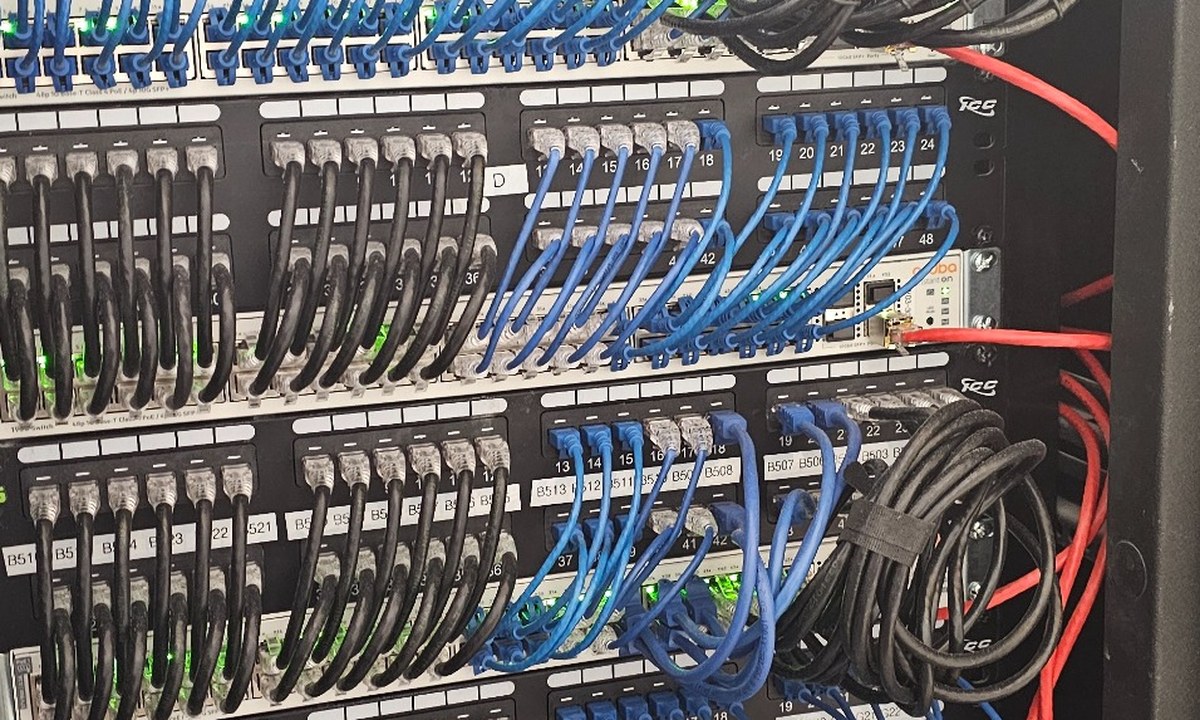
An EHR, a CRM, or a line-of-business app doesn't run in isolation, it runs on top of workstations that need to meet spec, a network that needs to stay up, internet connectivity that needs to hold, and user permissions that need to be set correctly. When one of these pieces underneath the application is weak, the application itself gets blamed, even though the software was never the problem. We treat the infrastructure layer as seriously as the business treats the application sitting on top of it.
Owning the infrastructure layer
Our job is making sure the systems your critical application depends on are reliable: workstations configured to the vendor's specifications, a network that doesn't drop mid-task, permissions set up so the right people have the right access without unnecessary risk, and backups that protect the data these applications generate. This is where most of the actual downtime risk lives, and it's squarely our responsibility.
Coordinating with the vendor, not replacing them
When something goes wrong inside the application itself, a licensing issue, a feature not working as expected, a question about how the software is supposed to behave, that's a conversation for the software vendor, and we coordinate directly with them so you don't have to be the go-between. We handle the infrastructure side of any migration or upgrade, verify backups before changes are made, and confirm everything is working end to end before calling a project done.
Minimizing downtime for systems you can't operate without
For a mission-critical application, downtime isn't an inconvenience, it's a business that can't see patients, can't process orders, or can't access records it needs right now. We build in the redundancy, monitoring, and backup practices that catch problems early and keep an outage from turning into a lost day. When something does go wrong, having the infrastructure side already documented and understood means the fix happens fast instead of starting from zero.
Planning for growth and change
Businesses upgrade line-of-business software, add locations, or bring on new staff who need access to the same critical systems. We plan the infrastructure side of those changes in advance, so a new workstation, a new user, or a software upgrade doesn't become a fire drill, and the mission-critical system your business runs on keeps running the way it's supposed to.
A common example: EHR freezing mid-appointment
One of the most common calls we get from medical and dental practices is an EHR that freezes or hangs in the middle of an appointment. The software usually isn't the problem, it's a workstation running under-spec hardware, a hard drive nearing failure, or a machine that's been running the same way since it was unboxed years ago with no maintenance in between. Clinical staff lose time, patients wait longer, and the front desk falls behind trying to compensate. The fix is rarely dramatic: right-sized hardware, a maintenance schedule, and monitoring that catches a failing disk before it takes the EHR down mid-visit, not after.
Keep reading.
Find out if the infrastructure behind it can keep up.
We'll take a look at the systems your critical application runs on and tell you honestly where the risks are.