
Cloud-managed door and badge access control, grant, revoke, and audit entry from anywhere, without ever rekeying a lock.
Key fob and keypad-based door access that you manage from a cloud portal. Grant or revoke access instantly, set schedules so doors only unlock during business hours, and see a full audit trail of every entry. When an employee leaves, you remove their access in seconds, no rekeying locks.
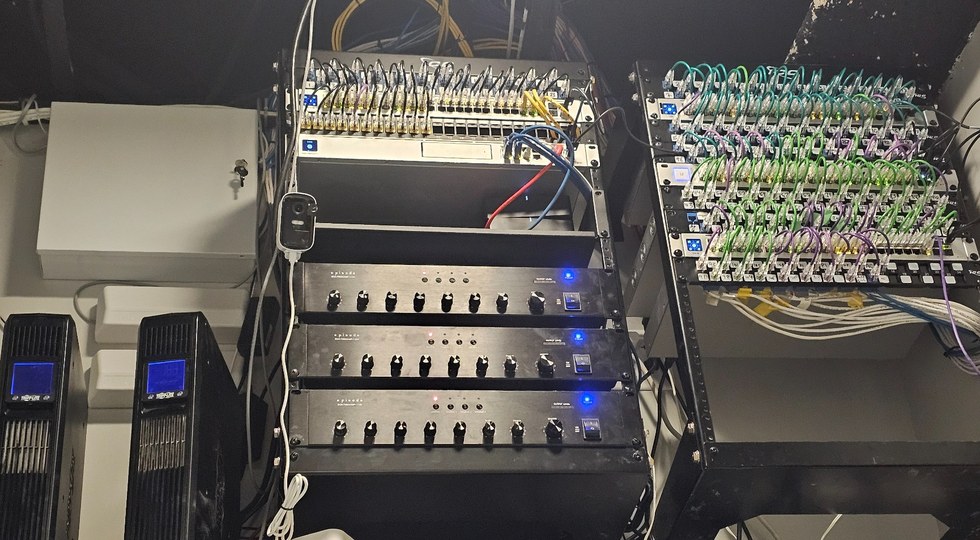
Access control panels are networked devices, and we treat them that way. We integrate them with your existing IT infrastructure, segment them on their own VLAN for security, and manage them alongside your other systems. No separate vendor relationship, no support black hole when something stops working.
Secure, authenticated remote management of your access control system, never a port forwarded straight to the internet. We lock down how and who can add users, change schedules, or view entry logs from outside the building.
We size retention policy for your entry logs around your actual needs, and any industry or insurance requirements, so a record of who came and went is there when you need it, not deleted weeks too early.
Every door across every site, managed from one unified cloud platform. Set access schedules and permissions once, apply them across locations, and see all your doors in a single dashboard instead of juggling a separate system per building.
A full record of who entered which door and when, exportable whenever you need it for compliance reviews, insurance requirements, or investigating a specific incident. No more guessing who was on-site at a given time.
A lot of businesses are still using keys, physical, metal keys, in 2026. The problem with keys is that you can't audit them, you can't schedule them, and when someone leaves and doesn't return them, you're rekeying locks. A cloud-managed access control system lets you see who opened which door and when, automatically lock down after hours, and immediately cut off a former employee's access from your phone the moment they walk out. The cost and disruption of rekeying, repeated every time a key goes missing or an employee leaves, adds up fast compared to a system built for exactly this.
Access control also scales in a way keys never can. Add a new door, a new location, or a new hire, and it's a few clicks in the same portal, not a new set of keys to cut and track. Permissions can be as granular as you need: an associate might have access to the main office during business hours, while only certain staff can reach a server room or file room, and cleaning crews get a narrow after-hours window limited to common areas.
Because we're an IT company, not just a lock installer, we think about the network side of these systems too. Access control panels are properly secured and placed on a dedicated VLAN, isolated from your business systems. Remote management is set up with real authentication, not a port forwarded to the open internet. Physical security and network security aren't separate disciplines when we handle both.
Yes. We install key fob and keypad-based access control systems for single or multiple doors. The system is managed from a cloud portal, you can add or remove users, set access schedules, and pull entry logs from anywhere. For businesses with multiple locations, all doors are managed from one unified platform.
Their credential is deactivated instantly from the cloud portal, no rekeying locks, no collecting a physical key, and no window where a departed employee could still let themselves in. It takes seconds instead of a disruptive, and often delayed, rekeying project. See our free employee offboarding checklist for everything else worth revoking the same day.
Yes. A unified cloud portal lets you manage every door across every site from one dashboard, set permissions and schedules once, apply them wherever they're needed, and pull entry logs for any location without juggling separate systems per building. Our free camera & access control audit sheet can help you inventory every door and controller across your locations before you start.
Yes, and this is specifically where working with an IT company rather than a standalone security installer makes a difference. We put access control panels on a dedicated VLAN, configure the switches and firewall rules correctly, and make sure remote management is set up securely. If we're already managing your network, access control integration is a natural extension, not a separate project that requires a second vendor.
We design, install, and support access control systems that work with your IT, not against it.