
Same number, new system, no disruption to clients.
Every phone number your business has built recognition around can move with you to a new VoIP system. We coordinate the entire porting process with your current carrier so there's no gap in service and no need to announce a number change.
What number porting actually involves
Number porting is the formal process of moving a phone number from one carrier to another while keeping the number itself unchanged. It's a regulated process with specific paperwork requirements, an authorization form, a copy of a recent bill from the current carrier, and account details that have to match exactly what the losing carrier has on file. Any mismatch, even something as small as a business name formatted slightly differently, can delay a port by days or weeks. Getting the paperwork right the first time is most of what separates a smooth port from a frustrating one.
The process typically takes a few weeks from submission to completion, and during that window the numbers remain fully active on the old system, there's no point where the number stops working. Once the port completes, calls to that number are seamlessly redirected to the new system, and the old service is deactivated.
Why keeping your number matters more than it seems
A phone number, especially one that's been in use for years, carries real business value that doesn't show up on a balance sheet: it's on printed materials, saved in customer contact lists, referenced in old emails and invoices, and in some cases has been the same number for so long that customers know it without looking it up. Changing it means every one of those references becomes wrong, old marketing pieces, business cards already handed out, a customer's saved contact, and a portion of people who try the old number will simply give up rather than search for the new one. Porting avoids all of that. The switch to a new phone system becomes invisible to the people calling you, because the only thing they interact with, the number, hasn't changed.
What goes wrong without a properly managed port
The most common problem is a port that gets rejected because the information submitted doesn't precisely match the losing carrier's account records, which resets the clock and delays the whole migration. The second most common problem is a business that doesn't coordinate the cutover carefully, resulting in a short window where the new system isn't fully configured yet but the old one has already been shut down, meaning calls go nowhere. Both are avoidable with a properly planned port: we don't decommission anything on the old system until the new system is tested, fully configured, and confirmed working, and we verify every account detail against the losing carrier's records before submitting the port request rather than after it's rejected.
How we manage the process
We handle the paperwork, submit the port request, and track it through to completion, checking in with the carrier if it stalls rather than leaving you to follow up. We configure your new cloud phone system with all extensions and call routing fully built out and tested before the port date, so the moment the number moves over, it works exactly as expected, no scrambling to finish setup after the fact. If you have multiple numbers across different carriers or locations, we coordinate them so the whole transition happens on a single, predictable timeline instead of numbers trickling over on their own schedules.
Keep reading.
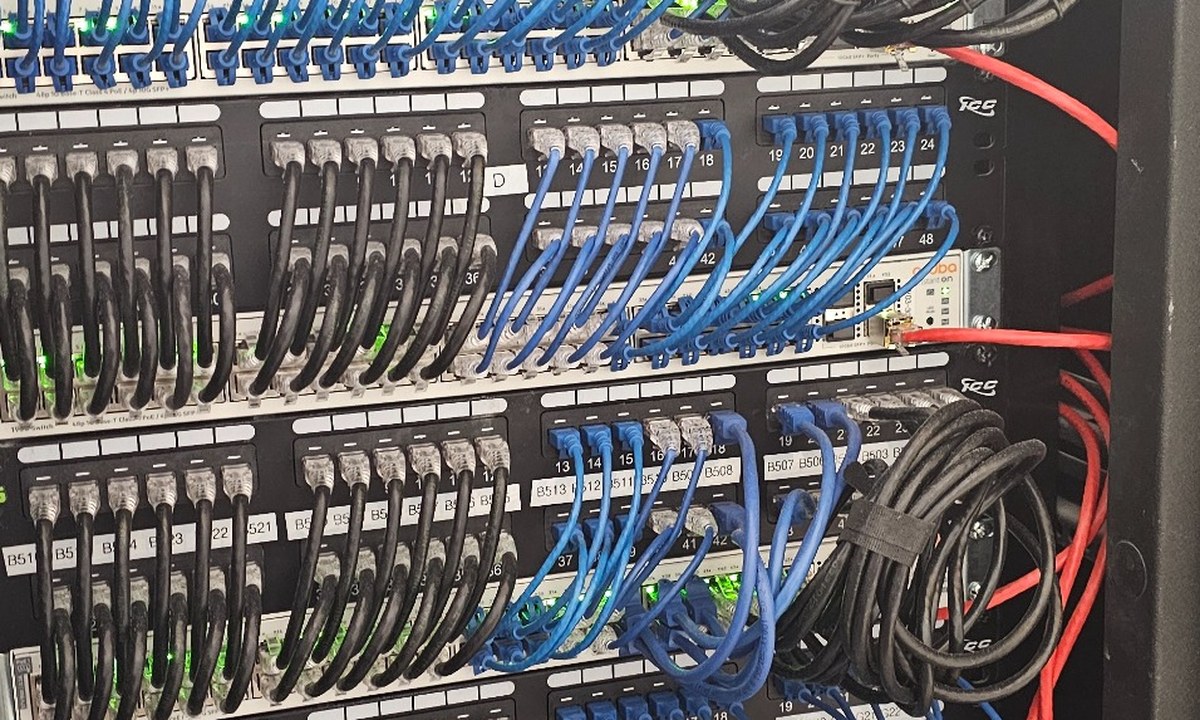
Keep your numbers, change the system behind them.
We'll handle the porting paperwork and timeline so your transition is invisible to the people calling you.